

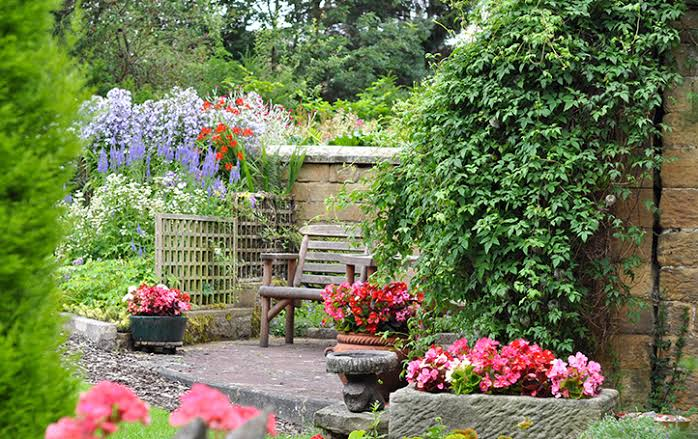
A backyard can be much more than an open patch of grass behind your home. With thoughtful planning, comfortable furniture, natural elements, and the right lighting, it can become a peaceful place to rest, entertain, and spend time with family. Creating beautiful Backyard Escapes does not always require a major renovation or a large budget. Even small changes can make an outdoor space feel more inviting and useful.
Today, homeowners are paying more attention to outdoor living areas. A well-designed backyard can provide a private retreat without requiring a trip away from home. Whether you want a quiet reading corner, a stylish patio, a family gathering area, or a cozy garden retreat, the right design can help you create a space that fits your lifestyle.
The best backyard designs combine comfort, function, beauty, and personal style. They also make smart use of the space available. A small yard can feel spacious when it has clear zones and carefully chosen furniture, while a large yard can feel warm and welcoming when it includes defined areas for different activities.
Planning Your Backyard Escape Around Your Lifestyle
The first step in creating Backyard Escapes is deciding how you want to use the space. Before buying furniture or starting a landscaping project, think about what you want your backyard to do for you. A homeowner who enjoys quiet mornings may want a shaded seating area with a small table for coffee. Someone who loves hosting friends may need a larger patio, outdoor dining area, and comfortable conversation seating.
Families may prefer an outdoor space that supports several activities at once. A backyard can include a dining area, open lawn, play space, and relaxing corner without feeling crowded. The key is to divide the yard into simple zones. Each zone should have a clear purpose while still connecting naturally with the rest of the outdoor area.
The size and shape of your yard also matter. Measure the available space before making major purchases. This helps you choose outdoor furniture that fits properly and leaves enough room to walk comfortably. Oversized furniture can make a small patio feel cramped, while furniture that is too small may look lost in a large backyard.
Climate should also guide your decisions. Consider how much sunlight, rain, wind, and seasonal temperature changes your outdoor area receives. A sunny patio may benefit from a pergola, shade sail, umbrella, or covered structure. A windy location may need stronger furniture and carefully placed plants. Planning around local weather can make your outdoor retreat more comfortable throughout the year.
Privacy is another important part of backyard design. Fences, trees, shrubs, climbing plants, privacy screens, and outdoor curtains can help create a more secluded atmosphere. You do not necessarily need a tall wall around the entire yard. Strategic landscaping can provide privacy while keeping the space open and attractive.
A successful outdoor retreat should also feel connected to your home. Use materials, colors, and design details that complement your home’s exterior. When the transition from indoor to outdoor space feels natural, the backyard becomes more like an extension of the home rather than a separate area.
Choosing Comfortable Furniture and Outdoor Living Features
Comfort is at the heart of relaxing Backyard Escapes. Beautiful furniture may look impressive, but it should also be practical and comfortable enough for regular use. Outdoor sofas, lounge chairs, cushioned benches, dining sets, and conversation chairs can turn an empty patio into a place where people naturally want to stay.
When choosing outdoor furniture, think about durability as well as appearance. Outdoor pieces must handle sunlight, moisture, dust, and changing temperatures. Materials such as treated wood, aluminum, teak, and weather-resistant synthetic materials can work well when selected for the local climate.
Cushions and fabrics can add softness and personality to an outdoor space. Look for weather-resistant materials that are easy to clean. Neutral furniture can be made more interesting with colorful cushions, outdoor rugs, throws, and decorative pillows. These smaller details can also be changed over time, making it easy to refresh the appearance of your backyard without replacing everything.
An outdoor dining area can make a backyard more useful for family meals and social gatherings. A simple table and chairs may be enough for a small space, while a larger patio could accommodate a full outdoor dining setup. If you enjoy cooking outside, an outdoor kitchen or built-in grill can become a natural center of the backyard.
Fire features can also create a strong focal point. A fire pit, outdoor fireplace, or compact tabletop fire feature can provide warmth and atmosphere during cooler evenings. However, fire features should always be installed and used according to local safety rules, manufacturer instructions, and appropriate clearance requirements.
Water features offer another way to create a peaceful atmosphere. A small fountain, pond, or decorative water wall can introduce gentle sounds and visual movement. For homeowners who want a low-maintenance option, even a small tabletop fountain can add a relaxing touch.
Storage should not be overlooked. Outdoor cushions, gardening tools, toys, and entertainment supplies can quickly create clutter. Storage benches, weather-resistant cabinets, and dedicated garden storage can help keep the area organized. A clean backyard generally feels more peaceful and inviting.
The goal is not to fill every available space. Good outdoor design leaves enough open room for movement and visual balance. Select features that support the way you actually live rather than adding items simply because they look good in a design magazine.
Using Landscaping, Plants, and Natural Elements to Create a Retreat
Plants can completely change the feeling of a backyard. They add color, texture, shade, fragrance, and natural beauty while helping the space feel more connected to its surroundings. Thoughtful landscaping is one of the most effective ways to turn an ordinary yard into one of the most inviting Backyard Escapes.
Start by selecting plants that match your local growing conditions. Native and climate-appropriate plants are often easier to maintain because they are suited to the area’s weather and soil. Think about how much sunlight each part of the yard receives before choosing trees, shrubs, flowers, or ground covers.
Layering plants can make a backyard feel richer and more natural. Taller trees can provide shade and structure, while medium-height shrubs can create privacy. Smaller flowers and ground covers can add color closer to the ground. This layered approach can also help different parts of the yard feel connected.
Trees are especially valuable in outdoor living spaces. They can provide shade during hot weather and create a natural canopy over seating areas. Depending on the species, trees may also attract birds and pollinators, adding life to the backyard.
A garden can become a relaxing feature as well as a source of fresh produce. Herb gardens, raised beds, container gardens, and flower beds can fit into many types of outdoor spaces. Even homeowners with limited room can grow herbs or flowers in pots on a patio or balcony-style deck.
Hardscaping is another important part of backyard landscaping. Patios, walkways, retaining walls, stepping stones, decks, and stone features can provide structure and improve how people move through the yard. Combining hardscape materials with plants creates contrast and helps define different areas.
Natural materials can add warmth to an outdoor retreat. Wood, stone, gravel, brick, and other earthy textures often blend well with gardens. The best combination depends on the home’s architecture and the desired style. A modern home may work well with clean lines and simple materials, while a traditional home may benefit from more classic landscaping details.
Sustainable landscaping can make your backyard easier to maintain and more environmentally friendly. Efficient irrigation, rain gardens, mulch, compost, native plants, and reduced lawn areas can help conserve resources. A sustainable yard does not have to look plain. In fact, diverse plantings can create a beautiful and lively landscape.
Creating the Right Mood With Lighting, Shade, and Privacy
The right atmosphere can make Backyard Escapes enjoyable long after the sun goes down. Outdoor lighting improves visibility, but it can also create warmth and character. Instead of relying on one bright light, consider using several softer sources throughout the space.
Path lights can make walkways easier to navigate. Step lights can improve safety around changes in elevation. String lights can create a casual and festive feeling, while lanterns can provide a more traditional look. Accent lighting can highlight trees, architectural details, garden beds, or water features.
Lighting should be comfortable rather than overwhelming. Too much brightness can remove the peaceful feeling of an outdoor retreat. Warm, carefully positioned lighting often works well for patios and seating areas. Solar lighting can be useful in certain locations because it does not require electrical wiring, although its performance depends on available sunlight.
Shade is equally important. A backyard that is attractive but too hot to use will not become a true retreat. Pergolas, covered patios, umbrellas, retractable awnings, shade sails, and mature trees can provide protection from direct sunlight.
A pergola can also serve as a design feature. Climbing plants can be trained across its structure to create a natural canopy over time. Outdoor curtains can provide additional shade and privacy while giving the space a softer appearance.
Privacy helps a backyard feel like a personal escape. If neighboring homes are close, consider combining fencing with plants, screens, or trees. Evergreen shrubs can provide year-round coverage in suitable climates, while decorative screens can add privacy without making the yard feel enclosed.
Sound can also influence the mood. A water fountain can mask some outside noise with gentle flowing water. Plants, fences, and landscape structures may also help soften the feeling of a busy environment. The goal is to create an outdoor area where people can relax without feeling constantly exposed to surrounding activity.
Making Your Backyard Retreat Practical and Enjoyable Year-Round
A beautiful backyard should be easy enough to maintain that you actually want to use it. When planning Backyard Escapes, consider the time and effort required to care for every feature. A complicated landscape may look impressive at first but become frustrating if it requires constant maintenance.
Choose materials and plants that fit your schedule. If you travel often or have limited free time, low-maintenance landscaping may be a better choice. Durable furniture, automatic irrigation, native plants, and simple garden layouts can reduce the amount of regular work.
Think about seasonal changes as well. A backyard can remain useful throughout much of the year when it includes features that support different weather conditions. Shade can improve summer comfort, while fire features, outdoor heaters, covered areas, and weather-resistant furnishings can extend use into cooler months where appropriate.
Small upgrades can make a major difference. Outdoor rugs can define seating areas and add comfort underfoot. Planters can introduce greenery without changing the landscape. A small side table can make a chair more useful. Decorative screens can improve privacy. These details allow homeowners to improve the space gradually rather than completing everything at once.
Entertainment can also be built into the design. A backyard may include an outdoor dining space, music system, games area, television setup, or cooking station. These features should support the overall design instead of taking over the space. Keeping cables, equipment, and storage organized helps the backyard remain attractive.
A relaxation area can be especially valuable. Imagine a comfortable chair beneath a shaded tree, surrounded by plants, with soft lighting nearby. This simple setup can become a favorite place for reading, enjoying morning coffee, or taking a break after a busy day.
Personal touches make the space feel truly yours. Use colors, furniture, plants, artwork, and accessories that reflect your taste. A backyard does not need to follow one strict design trend. Mixing modern comfort with natural materials or traditional elements can create a unique look.
It is also wise to improve your backyard in stages. Start with the features that will have the biggest impact, such as seating, shade, landscaping, or lighting. Once those basics are working well, add decorative and entertainment features. This approach can make the project more affordable and easier to manage.
Ultimately, the best outdoor retreat is one that encourages you to spend more time outside. It does not need to be enormous or expensive. A thoughtful layout, comfortable seating, healthy plants, good lighting, and a little privacy can transform an ordinary yard into a place that feels special.
Conclusion
Creating beautiful Backyard Escapes is about turning outdoor space into an area that supports relaxation, connection, and everyday enjoyment. With thoughtful planning, homeowners can create a retreat that feels comfortable and personal without taking on an unnecessary renovation.
The most successful backyard designs balance beauty with function. Comfortable outdoor furniture provides a place to relax, landscaping adds natural character, shade improves comfort, lighting creates atmosphere, and privacy helps the space feel peaceful. Features such as fire pits, water elements, outdoor kitchens, patios, pergolas, and garden areas can make the yard even more useful when they match your needs.
You do not have to transform your entire yard at once. Start with one area and build from there. Even simple improvements can change how your outdoor space feels and how often you use it. With the right ideas and a clear plan, your backyard can become a relaxing retreat that adds comfort and enjoyment to everyday life.
