

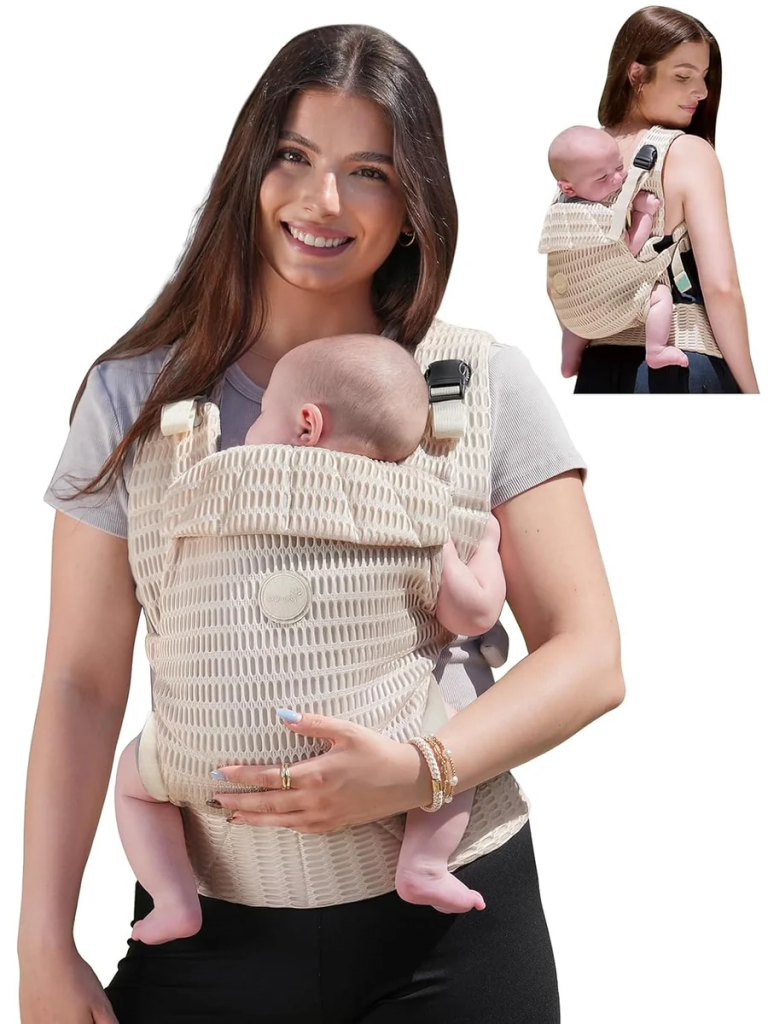
For many parents, the early months of raising a baby come with a mix of joy and constant adjustment. Babies crave closeness, caregivers juggle responsibilities, and everyday routines suddenly take more time and patience than expected. In the middle of it all, babywearing has become a simple, comforting solution that helps families feel more connected.
Babywearing isn’t just about convenience. It’s about creating a calm rhythm at home, keeping a baby soothed through movement, and giving parents the ability to stay present while still getting things done. For urban families, busy households, or anyone balancing multiple responsibilities, it often becomes one of the most natural ways to support bonding and daily flow.
Why Families Are Drawn to Babywearing in the First Place
Wrapped in a parent’s arms, babies often relax into quietness. Held close, they move gently with each step taken. This nearness brings calm better than most things tried. Movement matters just as much as touch here. When worn on the body, infants stay soothed through rhythm and heat. Parents see fewer tears during these hours. Security grows quietly in such moments. Life keeps moving forward even while holding them tight.
Sometimes just holding a child brings quiet comfort. When days rush by with tasks, lights, and noise, carrying a baby slows things down. A moment of nearness appears without planning it. This kind of bond fits into ordinary time – no timing needed.
Hands-Free Movement Makes Everyday Routines Smoother
One of the biggest reasons babywearing has grown in popularity is the freedom it provides. When parents have their baby close, they can still move through their home, run small errands, or handle daily tasks with less disruption. It reduces the stress of constantly switching between holding a baby and trying to manage everything else.
A baby carrier can support closeness, hands-free movement, and smoother transitions throughout the day. Whether it’s prepping a quick meal, walking a toddler to the park, folding laundry, or simply stepping outside for fresh air, babywearing helps parents stay flexible without feeling overwhelmed.
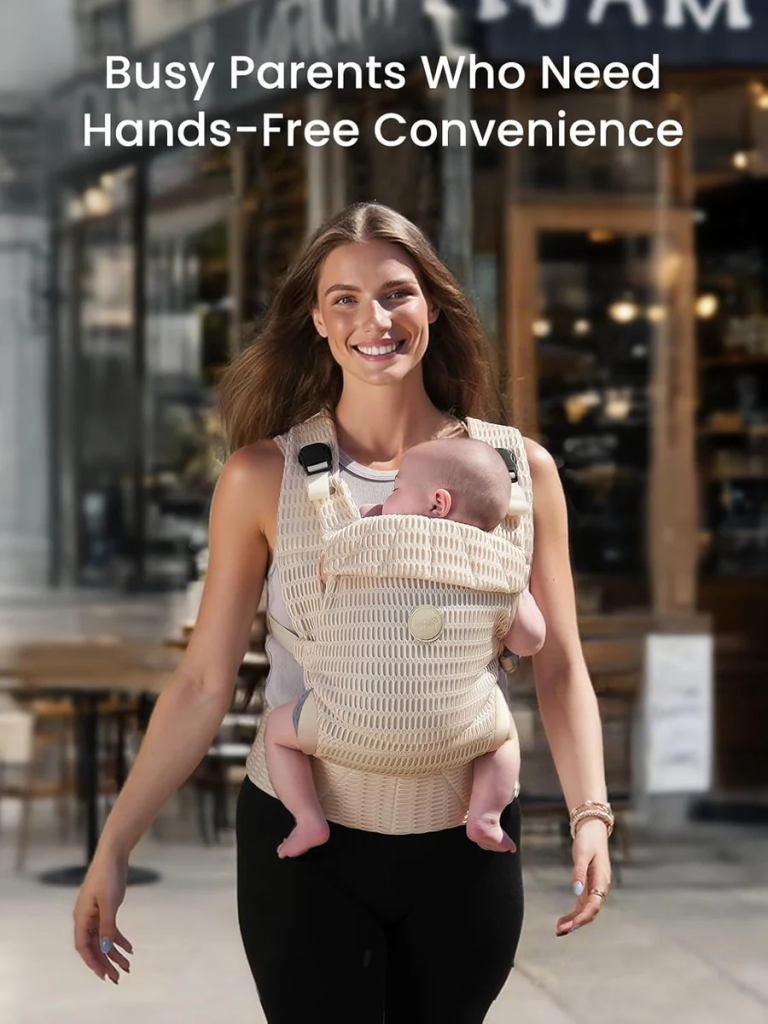
Babywearing Supports Calm in Busy Moments
When little ones get restless, strapped close to a caregiver often brings calm. Moving lightly while held mimics the rhythm they once knew inside. Evenings tend to go smoother this way, no strict steps needed. Naps shift easier when warmth and sway stay constant. Fussiness fades as contact replaces fussing with routine.
Moving without halting becomes possible for those tending to little ones. Brief moments strapped close shift how chores unfold, particularly when tiny hands seek touch but tasks demand walking away.
What Parents Should Look for in a Comfortable Carrier
Some carriers suit differently, yet how it sits plays a role for parent and child alike. Support comes first – then balance, then small tweaks that shift the load just enough. Worn by the clock or only briefly, proper shape avoids strain while adding ease where needed most.
Starting off right – padded straps help spread weight across the shoulders. Instead of digging in, a good fit shifts load toward the hips using wide waist support. Breathable materials keep things comfortable during long walks under sun or through crowded streets. Some models change shape when needed thanks to stretchy buckles and sliding joints. As babies gain size, these adjustments make room without losing stability. Different people wearing the carrier can tweak parts separately for their own comfort. Balance matters most – a lopsided feel means something is off somewhere. Pressure points show up if the structure leans too hard in one spot.
Choosing a Style That Fits Daily Life
Some parents prefer structured carriers for longer outings, while others enjoy softer wrap-style designs for quick moments at home. The best choice usually depends on lifestyle and routine. Families who go on daily walks may prioritize breathable materials and support, while those who mainly use babywearing indoors may want something quick and cozy.
This is where options like a Grownsy baby wrap carrier fit naturally into routines like short walks, settling, and everyday bonding at home. For many parents, having a comfortable carrier nearby becomes like having an extra set of hands during the busiest parts of the day.
Basic Comfort and Positioning Considerations
Worn right, a carrier lets the baby stay snug and upright, never dangling or tilted. Right up near your chest – that’s where they belong, so you can check in without reaching. Many caregivers recall the tip “kissable distance,” meaning the baby sits high, not sagging down. Safety comes from fit; too loose risks slip, too tight brings strain. Comfort flows from alignment – hips stable, spine curved like when held by hand.
A little curve in the back helps keep things calm for tiny spines. Hips need steady support so legs can drape naturally on each side. Snug doesn’t mean tight – just firm enough to stay safe while letting breath move freely. Some carriers shape around the body like a quiet hug, holding everything in place without poking or squeezing. When it fits right, nothing pinches, nothing slips.
Keeping Baby and Parent Comfortable Over Time
When carrying a child, think about where the weight lands on your body. A solid belt around the hips, together with well-placed shoulder ties, eases pressure across the back and shoulders – this matters more as infants gain pounds. Getting those ties just right changes everything: suddenly it feels steady, almost effortless, even after hours. How it sits makes all the difference when moving through daily tasks.
Baby clothes should match the weather outside. When it’s warm, less clothing works fine because closeness shares warmth between adult and child. Light weaves let air move through, helping everyone stay calm and cool. Soft cloth feels gentle during strolls under sunlit trees or quiet moments inside the house.
A Positive Takeaway: Closeness With More Daily Freedom
Carrying your baby close isn’t just comforting – it also fits quietly into real life. Bonding grows stronger when you’re near, plus fussiness often fades. Getting through chores becomes easier too, even though nothing changes about the tasks themselves. Rather than treating caregiving like something separate, most days simply unfold while your little one rests against you. The rhythm helps – both of you move forward without needing more space or tools.
Connection lives at the heart of babywearing – not just transport. A well-fitting carrier slips into daily routines while keeping comfort close. Busy days unfold easier when closeness stays within reach. Life slows down slightly, even amid chaos, if touch remains constant.
