

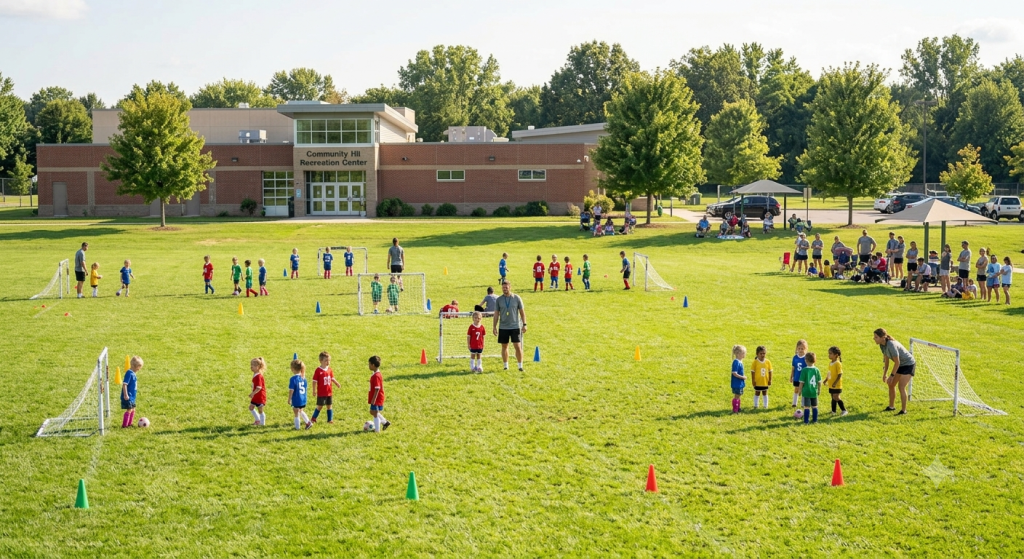
In a world increasingly dominated by tablets, streaming platforms, and screen based entertainment, keeping young children physically active has become a primary challenge for modern parents. While educational applications and interactive videos certainly have their place in learning, nothing truly replaces the real world physical and social benefits that come with group play.
Introducing young children to active group settings during their early years accomplishes far more than simply burning off extra energy before bedtime. It establishes a strong foundation for physical health, emotional resilience, and essential social skills that will serve them well throughout their school years and beyond.
Building Physical Literacy in the Early Years
Physical literacy refers to the confidence, competence, and motivation a child needs to stay active for life. This fundamental skill set does not develop automatically. Children need regular opportunities to practice coordination, balance, and spatial awareness through dynamic movement like running, jumping, and changing direction on the fly.
Engaging in structured physical activities helps children refine their motor skills during critical developmental windows. According to physical activity guidelines from the Centers for Disease Control and Prevention, young children require regular active play throughout the day to support healthy growth. Movement based routines help build cardiovascular stamina, strengthen growing muscles, and improve overall body awareness.
More importantly, when physical activity is presented as play rather than a chore, children naturally build a positive relationship with fitness from an early age. They learn to view exercise not as an obligation, but as an enjoyable part of their daily routine.
The Social and Emotional Power of Group Play
While the physical benefits of movement are clear, participating in organized group activities also gives children a safe environment to practice essential social skills. Unlike independent play at home, organized group environments teach children how to interact with others in structured ways.
Learning to Share and Cooperate
In a group setting, children must share equipment, take turns, and work alongside their peers. This experience helps them move past early ego driven play and understand the value of sharing space and working toward a common goal.
Following Multi Step Instructions
Listening to a coach or instructor sharpens a child’s focus and self discipline. Learning to pay attention to directions, wait for their turn, and carry out specific steps helps prepare children for structured learning environments.
Developing Emotional Resilience
Learning that you will not win every game or master every skill on your first try builds crucial emotional resilience. Group sports provide a low stakes environment where children can experience small setbacks, learn from them, and try again with the support of their peers and mentors.
For toddlers and young children who have not yet entered primary school, these early group experiences serve as a gentle bridge toward the social dynamics of the classroom.
Finding the Right Fit for Your Child
When choosing an activity for your child, the most critical factor is keeping the atmosphere supportive, age appropriate, and centered on fun. High pressure competitive environments can easily overwhelm young beginners, whereas skill focused, play based programs help build long term confidence.
Parents should look for programs that emphasize encouragement, skill progression, and positive reinforcement over scores and competition. The focus should always be on trying your best and enjoying the process of learning something new.
For parents looking to introduce their children to structured physical play, enrollment in fun programs like local soccer classes for kids offers an ideal blend of organized skill building and energetic play. Activities like these focus on basic foot eye coordination, teamwork, and listening skills while keeping the atmosphere light and engaging for young learners.
Encouraging Healthy Habits That Last a Lifetime
The ultimate goal of early physical activity is not necessarily about raising professional athletes. Instead, it is about raising healthy, confident kids who feel comfortable in their own bodies.
Children who participate in group movement programs during early childhood are far more likely to stay active as adolescents and adults. They grow up viewing movement as a source of joy, social connection, and stress relief rather than a daily chore.
When children learn to love movement early, they build a lifestyle habit that protects their long term physical and mental health. They are more likely to participate in recreational activities, join school teams, and maintain an active lifestyle well into adulthood.
The Role of Parents and Guardians
Parents play a vital role in shaping how children view physical activity. Kids naturally model the behavior and attitudes of the adults around them. When parents show enthusiasm for sports, prioritize outdoor time, and encourage play, children naturally adopt those same values.
Rather than focusing on perfection or performance, parents should celebrate effort and participation. Praising a child for trying hard, being a good teammate, or listening well reinforces the true value of group sports and keeps the experience positive.
Final Thoughts
In an era where passive entertainment is always just a click away, giving your child the gift of active group play is one of the best investments you can make in their development.
By encouraging your child to step away from the screen, join a group, and try something new, you are giving them the tools to navigate social environments, trust their physical abilities, and enjoy a lifetime of active living. Whether through organized team activities or structured community programs, early movement paves the way for a brighter, healthier future.
